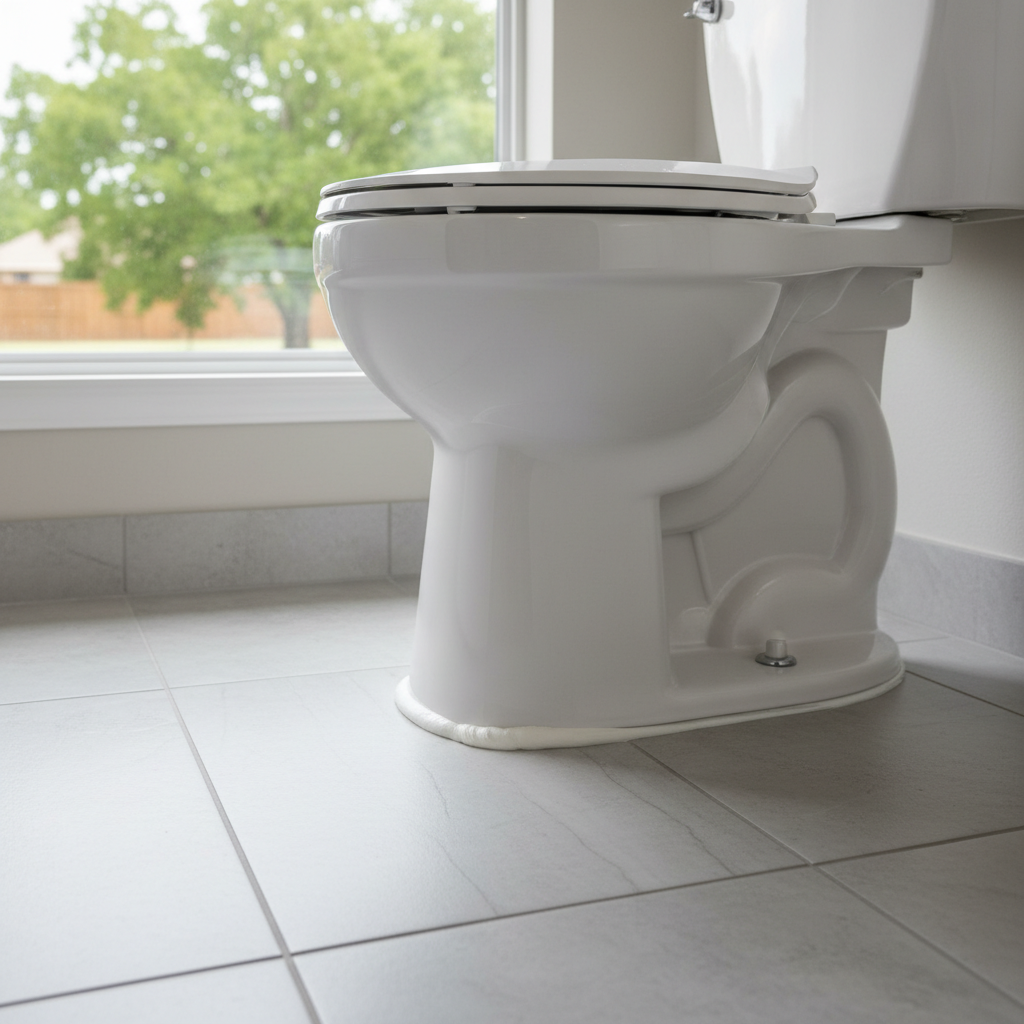
Do I really need a professional to install a toilet? Can't I just DIY it?
Look, I get it. You're handy, you've watched a few videos, and installing a toilet seems pretty straightforward. And honestly, for some folks, it is. If you're just swapping an old toilet for a new one of the exact same type, and you're comfortable with basic plumbing, you might just pull it off. You'll need to turn off the water, drain the old bowl, unbolt it, scrape off the old wax ring, set the new one, bolt it down, connect the water line, and then test for leaks. Sounds simple, right?
But here's what I've seen go wrong, time and time again: cracked bowls from overtightening bolts, or leaky wax rings that cause slow, hidden water damage to your subfloor (especially common in older homes around South Bixby where foundations can shift a bit over the years). Sometimes bolts strip, or you realize your new toilet doesn't quite fit the existing rough-in. A professional, like us at Omega Kitchen & Bath, has the right tools, the experience to spot potential issues before they become big problems, and we know how to handle unexpected surprises. We'll even haul away your old toilet, which is a nice bonus, don't you think?
What's a 'rough-in' and why does it matter for my new toilet?
The rough-in measurement is probably the most important thing you need to know when you're buying a new toilet. It's the distance from the finished wall behind the toilet to the center of the drainpipe (that's where the bolts hold the toilet to the floor). In most homes, especially here in Bixby, it's 12 inches. But you can find 10-inch or 14-inch rough-ins too. If you buy a toilet with the wrong rough-in, it simply won't fit. You'll either have a gap behind it, or it'll be too close to the wall, making it impossible to install correctly. Always measure before you buy!
What are the main types of toilets available and which one should I choose?
These days, toilets offer more choices than just 'round' or 'elongated.' Here's a quick rundown of what you'll usually find:
- Two-Piece Toilets: These are the most common and generally the most affordable. The tank and bowl are separate pieces that bolt together during installation. They're easier to transport, and you can replace individual parts if you need to.
- One-Piece Toilets: The tank and bowl are molded together as a single unit. They tend to look sleeker, are easier to clean (fewer crevices!), and often have a more modern feel. They're usually a bit more expensive and heavier to move.
- Wall-Mounted Toilets: These are very modern and save floor space because the tank hides inside the wall. They're great for a minimalist look and easier to clean around, but they're a much more involved installation. You'll typically need significant wall modification.
- Smart Toilets: These are the high-tech options, offering features like heated seats, bidet functions, automatic flushing, and even nightlights. They're definitely a luxury item and come with a higher price tag, obviously.
Which one you choose really depends on your budget, your bathroom's style, and what features matter most to you. For most Bixby homes, a good quality one-piece or two-piece toilet works perfectly fine.
How much water does a new toilet use, and will it save me money?
Modern toilets are designed to be much more water-efficient than older models. Today's standard is 1.28 gallons per flush (GPF) or less, often labeled as High-Efficiency Toilets (HETs). Compare that to older toilets that could use 3.5 to 5 gallons per flush, or even more!
Yes, upgrading can definitely save you money on your water bill over time. If you have an old, inefficient toilet, you're literally flushing money down the drain. The exact savings depend on how often it's used and your local water rates, but it's a smart investment for both your wallet and the environment.
What's the deal with dual-flush toilets? Are they worth it?
Dual-flush toilets give you two flushing options: a lower volume flush for liquid waste (usually around 0.8 to 1.1 GPF) and a full-volume flush for solid waste (typically 1.28 GPF). They're a great way to conserve even more water, as most flushes are for liquid waste. I think they're absolutely worth considering if you're looking to maximize water savings. They've become pretty reliable over the years, and the technology has improved a lot since they first came out.
My toilet is constantly running or making noise. Does that mean I need a new one?
Not necessarily! A running toilet usually signals a worn-out flapper valve, a faulty fill valve, or an improperly adjusted float. These are often simple, inexpensive fixes that a professional can handle pretty quickly. If the tank components are old and corroded, sometimes it's more cost-effective to replace the whole flush mechanism kit rather than individual parts. We can usually diagnose this pretty fast when we come out. A new toilet is only needed if the bowl itself is cracked, the porcelain is severely stained beyond cleaning, or you're looking for a style upgrade or better water efficiency.
What's the average cost for a toilet installation in Bixby?
This is a common question, and the answer, like most things, is